Alaskan Husky

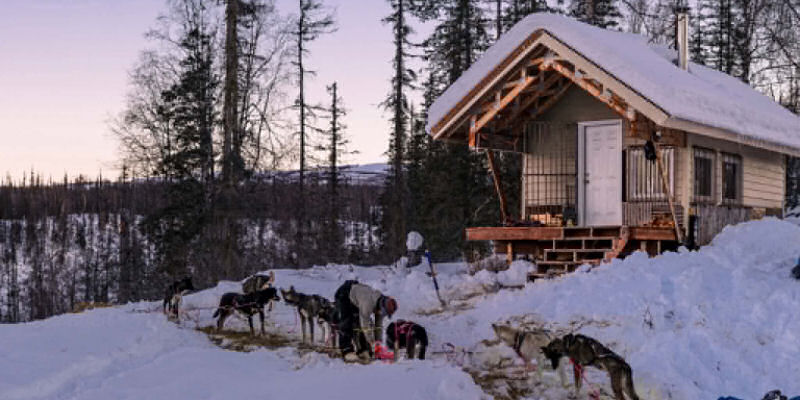
The Alaskan Husky isn’t a breed the way most people think of breeds. There’s no official standard, no single look, and definitely no show ring politics. These dogs have one job—get a sled and a team across brutal Alaskan country, fast and for as long as it takes. That’s it. Everything else, nobody really worries about.
When you talk about real long-distance races—stuff like the Iditarod or the Yukon Quest—the Alaskan Husky is the dog you want. Forget the fluffy Siberians you see at dog shows, or even Malamutes. The Alaskan Husky is the engine of the sport. Mushers aren’t fussed about looks. They care how their dogs run, eat, recover, and handle mile after mile of snow, wind, and bone-numbing cold, sometimes with almost no sleep.
You end up with a pure athlete—no wasted energy, nothing fancy. For generations, mushers bred these dogs for one thing: performance. That meant mixing in anything that worked. Early on, they used Siberian Huskies for grit, Malamutes for strength. Later, they added Pointers, Salukis, Shepherds—anything that gave a boost of speed, endurance, or efficiency. Now, you’ve got a dog that can tick off long miles day after day, not just sprint for half an hour and call it quits.
And that’s the magic of it: balance. You aren’t just looking for a fast dog; you want something that can go a hundred miles, nap a couple hours, then do it all over again—day after day. That’s where Alaskan Huskies just leave other dogs in the dust. They eat a shocking amount, burn through calories like nothing, and seem to recover almost instantly. When you watch them at checkpoints, it’s wild—they’ll plop down, chow through anything you offer, then get back up ready to run like nothing happened.
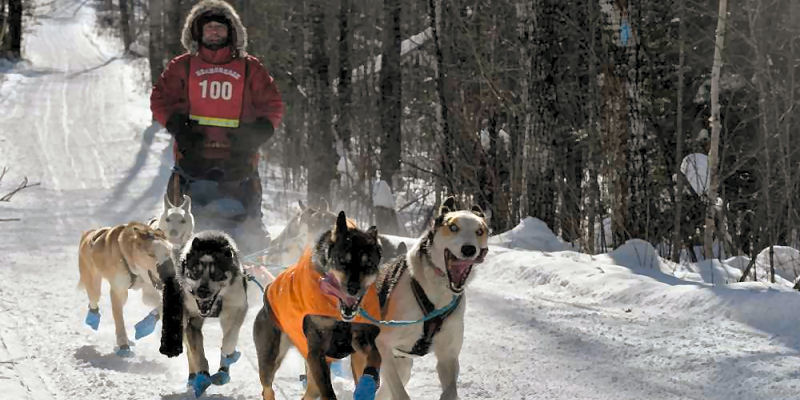
Physically, they’re kind of a mess compared to purebreds. But that’s the point. Most sit right in that sweet spot: lean, athletic, and tough. You see big chests (for lungs), long legs (for that loping stride), and strong, compact feet for pounding over frozen ground. Their coats usually surprise people—they’re way shorter than you might expect for Arctic dogs. But that’s intentional. These dogs run so hard, overheating is the enemy, not the cold.
People usually miss this, but when these dogs run, it’s not just about surviving winter—they’re working in it. At race pace, they get so hot that mushers worry way more about keeping them cool than warm. That’s why nearly every dog wears booties—not because they need comfy slippers, but to keep their feet from getting torn up by ice over hundreds of miles.
Genetically, these dogs go way, way back. Their roots are in the ancient sled dogs that crossed from Siberia ages ago. But the modern Alaskan Husky is really North American. Mushers spent the last century shaping them by picking the best performers, not the prettiest faces. It’s evolution, just with a human hand guiding the process, always aiming for another edge in some of the roughest country on the planet.
Health-wise, they’re generally sturdy as can be—again, if a dog couldn’t keep up, it didn’t make the breeding cut. Sure, sometimes you see issues pop up—thyroid stuff, eye quirks, and every yard seems to have a “wheezer” with some odd breathing. But by and large, these dogs are survivors, plain and simple.
Then there’s their headspace. Great Alaskan Huskies live to run. You see it when they line up for a race: barking, lunging, straining to go. Then once they’re out on the trail, everything settles—they just drop into this steady, relentless pace. Sled dog people will tell you, the leaders are a little extra—sharp, confident, totally in tune with the musher.
Don’t let all the talk about performance fool you, though. These dogs are social and sweet-natured. Most are playful, like chaos at dinnertime, and will eat anything you set down—perfect when you need to pack on the calories for those long runs.
In top teams, a proven lead dog is worth serious money, not for its looks, but for what it does when things get tough out on the trail. Even dogs that don’t make the top ranks still run—they just drop down a level, but that drive to pull and work never really leaves them.
At the end of the day, the Alaskan Husky is all about function. It’s not built to look pretty, it’s built to perform in truly unforgiving conditions. In the world of long-distance sled racing in Alaska, these dogs aren’t just a choice—they’re the benchmark.