Seppala Siberian Sleddog

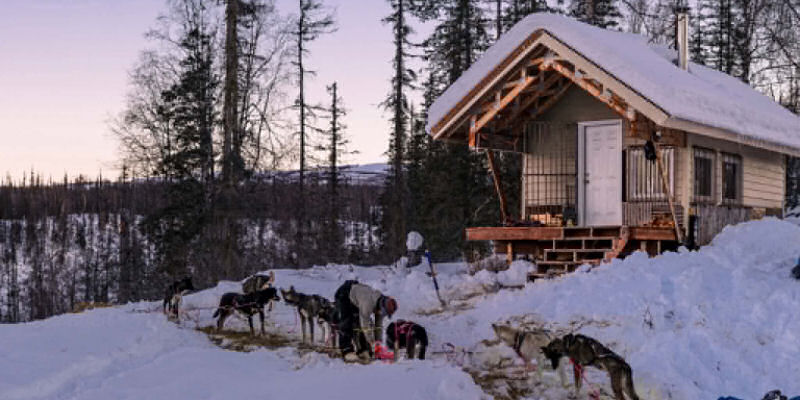
The Seppala Siberian Sled Dog is a whole different story from the Siberian Husky you’ve probably seen trotting around dog shows. These dogs are the real deal—straight from the roots of what made sled dogging in Alaska legendary. No fuss over fancy looks or coat colors here. It’s all about practical breeding that brought out endurance, toughness, and a work ethic that’s actually useful on the trail.
Everything about them circles back to Leonhard Seppala, an absolute legend in sled dog history. His dogs didn’t just compete—they crushed it in the All Alaska Sweepstakes from 1914 to 1917. Back then, speed wasn’t nearly as important as reliability and stamina. These Seppalas weren’t flashy; they just got the job done, mile after mile, on some of the harshest terrain you can imagine.
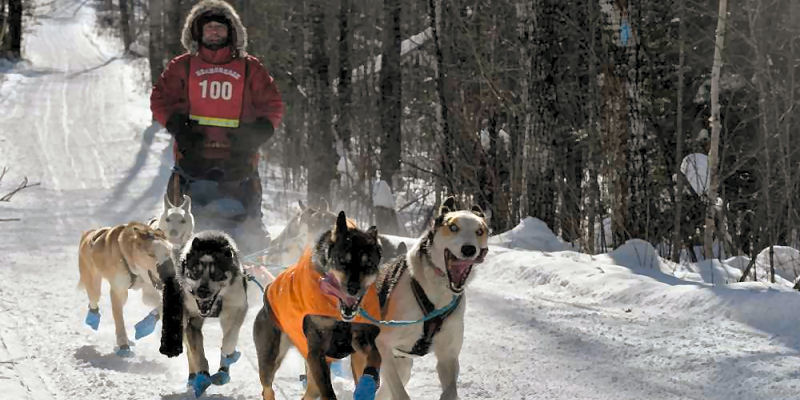
If you’re picturing fluffy, broad Siberians from the show ring, you’ll probably be surprised when you see a Seppala. They look leaner, longer, and just a bit more gritty—kind of like they’re built to go the distance, not win a beauty contest. All sorts of colors show up: white, charcoal, deep reds, wild agouti patterns. None of it matters in terms of breeding—what matters is how they work, not their color chart.
And how they move? That’s where Seppalas shine. Their gait is smooth and efficient; you’ll notice they eat up ground without wasting energy. They’re not out to win sprints—they’re made for mid-distance, long-haul runs, and they definitely hold their own. They know how to pull, keep a steady line, and—most importantly—just keep going, mile after mile.
As for personality, they’ve got the classic sled dog attitude: focused, trainable, and honestly a bit more tuned in than your typical northern breed. They bond hard with their people, handle team work well, and take their job seriously in harness. Around the kennel, they’re lively and curious, and pretty friendly, but don’t let them off the leash unless you’re planning on a serious chase. That urge to run and follow their nose is strong.
They’re efficient eaters, too. These dogs don’t need tons of food to fuel their efforts, but what they eat has to be the good stuff—fat, protein, fish oil, all the essentials. Like most northern breeds, they shed like crazy once or twice a year, and you’ll absolutely know when it’s happening.
Health? Seppalas are generally tough and can keep working well into old age. Sure, you might see the usual northern breed problems—an occasional eye issue or allergy—but overall, they’ve held on to the kind of durability you only get from generations bred for performance, not appearance.
Maybe the biggest thing separating Seppalas from modern Siberian Huskies is the show ring. Seppalas never went down that path. They shared the same registry for a while, but those lines stayed true to their roots as working dogs while the rest of the Siberian world drifted toward looks and conformation. That’s why, even now, Seppalas are still built for actual sled work—not just standing around looking pretty.
It’s wild to think how close the breed came to vanishing. By the late ’60s, only a handful of people in North America kept them going. Even today, they’re rare. Unless you’re deeply involved in the sled dog community, you probably won’t run into one.
Preserving the breed is a big deal. Folks like Jonathan Hayes have stepped up, making sure the true Seppala type survives. He’s got Poland Spring Kennels in Maine, heads the International Seppala Siberian Sled Dog Club, and in 2025, he even recreated the historic serum run for its centennial—a proper display of what these dogs can do when bred and trained the right way.
At the end of the day, Seppala Siberian Sled Dogs occupy this cool niche. They’re not the fastest, not the most popular, and definitely not the most commercial. But if you care about real sled dog history and want to see dogs who still carry that original working spirit, these are about as genuine as it gets.