Tamaskan

The Tamaskan is one of those dogs that always gets a double take. People glance over and swear they’re seeing a wolf—or at least some kind of wolfdog mix. But that’s not really what’s going on. This isn’t some mysterious wild hybrid or a leftover from ancient times. The Tamaskan is actually a modern, purpose-built breed. The whole point was to get that unmistakable wolfy look without packing in the unpredictability of a real wolfdog.
The story really gets going in Finland, though the trail goes back to the UK in the ’80s. Back then, a small group of northern-type dogs—mainly Siberian Huskies from the US—were crossed with other working breeds like Alaskan Malamutes and German Shepherds. That mix first created the Utonagan, and after more selective breeding (and a few other breeds mixed in), the Tamaskan emerged as something with its own look and personality.
You’ll hear people talking about how there might be a touch of wolfdog in the background, and honestly, in a few lines, that might be true. But that isn’t what defines the breed. No one set out to make a real wolf hybrid. The idea from the start was a dog that *looks* like a wolf but acts like a steady, trainable, family dog.
And that’s pretty much what you get. Tamaskans are big and athletic. They tend to stand around 24 to 28 inches at the shoulder—definitely taller than a typical Siberian Husky, but not as chunky as a Malamute. Their build is balanced and strong, made for plenty of movement, but they never feel heavy or sluggish.
Where they really nail the wolf vibe is in their coat. Most Tamaskans come in different shades of grey—wolf grey, red grey, or black grey. Each hair is banded, so the color looks natural and deep. Their eyes are usually amber or brown (blue is actually a fault in this breed), which ties the whole look together. And the tail is straight and bushy, not curled up like a Husky, giving them a distinctly wolfish outline.
But here’s the thing—they weren’t bred to be athletes like the Alaskan Husky. Sure, they’ve got working-dog roots and plenty of physical potential, but the emphasis has always been on the look and a stable temperament over pure performance.
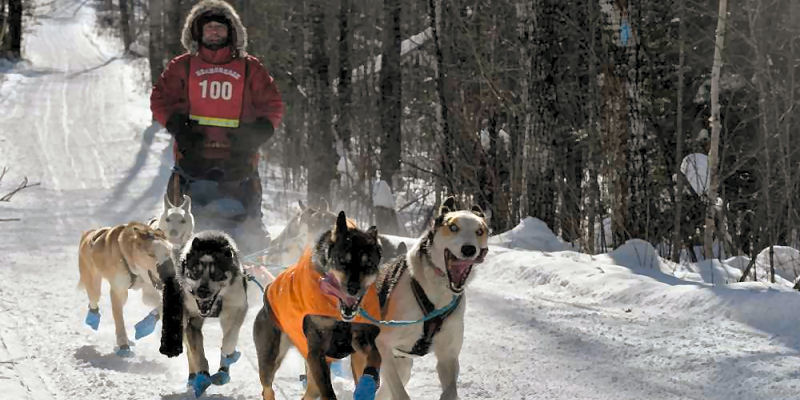
Still, these are no couch potatoes. Tamaskans can do well in agility, obedience, working trials, and they can even pull sleds if you train them for it. They get their smarts from the German Shepherd side, stamina from the northern breeds, and they’re generally eager to team up with people.
Temperament-wise, Tamaskans are friendly, social, and tend to be really people-focused. They usually do well with families and can be great around kids if raised properly. Compared to Huskies, they’re a bit more responsive and tuned in to their owner, which makes things easier in everyday life. But they definitely have energy to burn, so you’ve got to give them enough exercise and mental stimulation.
Health-wise, Tamaskans are generally solid, but you’ve got to watch for a few things. Like most big breeds, hip dysplasia can show up. You also hear about some cases of epilepsy and degenerative myelopathy in their lines, plus a fair bit of cryptorchidism in males. It’s not shocking for a young, relatively small breed, but it means breeders need to stay on top of things.
One big thing with Tamaskans is how small the population still is. Even now, there just aren’t that many of them around, and you won’t see them in big kennel clubs. They’re managed by smaller registries and dedicated breed clubs, which keep everything organized and look after how the breed grows from here.
Back in 2009, there was a controlled outcross with a Saarloos Wolfdog to freshen up the gene pool—health and temperament were the main reasons for picking that dog. That alone says a lot about how carefully the breed is being handled.
At the end of the day, the Tamaskan isn’t competing against true working sled dogs—they’re not built to win the Iditarod, and that’s not the point anyway. They’re about the look and the personality—a dog that looks wild but is actually pretty easy to live with.
Honestly, the Tamaskan is what happens when people imagine their ideal northern dog and then actually make it. It’s less about surviving the frozen north and more about living with a bit of wild style in your own backyard.