Mackenzie River Husky

The Mackenzie River Husky isn’t really a breed—at least not in the way most people think. That’s where everyone gets mixed up. There’s no official breed standard, no registry, no single “look” that defines them. When people talk about the Mackenzie River Husky, what they actually mean is a whole group of big, powerful sled dogs that grew up in the Arctic and subarctic, especially around the Mackenzie River basin in northern Canada.
Honestly, it’s more of an old working tradition than a breed. These dogs weren’t shaped by show rings or someone’s idea of the perfect dog. Early trappers and Indigenous people bred them for one thing: serious pulling power in some of the roughest conditions on earth.
If you go back far enough, the original dogs in the region were a lot like the Canadian Eskimo Dog—tough, primitive Arctic dogs, perfect for hauling, hunting, and surviving where it matters. Then came European settlers and traders, and they brought their own dogs. Big, hefty breeds like Saint Bernards and Newfoundlands got mixed in for size and muscle, and even lanky staghounds added some height and stride. There are stories about a bit of wolf blood in the mix too—maybe true, maybe not, but it’s part of the legend. Out of all that, you ended up with this enormous, heavy-duty sled dog that pulled weight instead of racing across the snow.
They actually called some of those crosses “Mackenzie River Hounds,” which only muddies the waters more. These aren’t hounds. They’re freight dogs—nothing fancy, just solid strength.
You can spot a Mackenzie pretty easily. They’re big. Really big—tall, long-legged, deep-chested, thick-furred. Some of these dogs stand almost 30 inches at the shoulder and weigh more than 40 kilos. Put one next to an Alaskan Husky and they make the racer look small. But they were built for different jobs. The Alaskan Husky is all about speed and stamina, while the Mackenzie River type is built to muscle heavy sleds through deep snow, often breaking trail in the middle of nowhere.
Their coats are no joke, either. Thick, long, and made for Arctic winters. There’s no set color—black and white, grey, sable, red, blonde—they come in all the typical northern dog shades.
As for personality, Mackenzie River Huskies are usually a little more chill than the high-octane racing huskies. Still, they’re no pushovers. These dogs are independent and tough, bred to handle chaos and cold on their own if needed. Like most sled dogs, their best work happens in a team, and they tend to get along with other dogs when managed right.
Don’t expect to see these guys out front at the Iditarod. They’re way too heavy and slow for modern sled racing. But if you need big loads hauled over nasty terrain? That’s their business. It’s just a different kind of challenge, and they’re perfect for it.
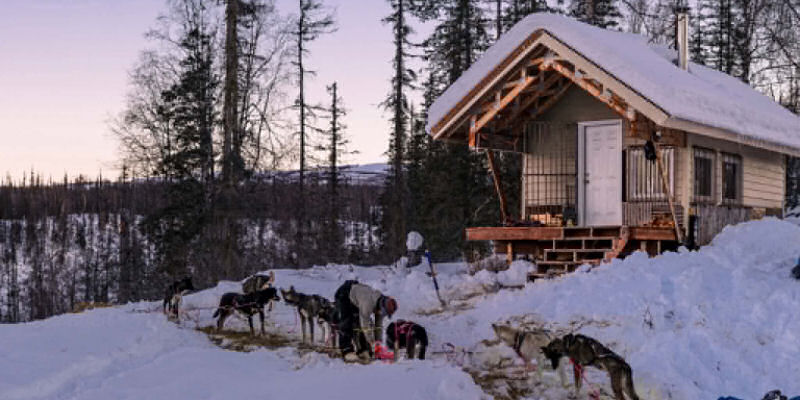
There are still a few old lines of these dogs hanging on, mostly in Alaska and northern Canada. Breeders like Donna Dowling in Alaska keep the tradition alive, even if the dogs are rare and somewhat under the radar. Like a lot of old working types, Mackenzie River Huskies aren’t well documented or widely known.
People sometimes talk about the Royal Canadian Mounted Police in connection with these dogs. The RCMP used big freight dogs for patrols in the North, and a lot of those were Mackenzie-type mixes—never a fixed breed, just dogs built for hard work in tough conditions.
That’s the heart of it. Mackenzie River Huskies are about doing a job, not pedigree papers or winning shows. They’re a window into the older, hardier style of dog work that came before sled racing and stopwatch times took over.
If you want a picture, think of the Alaskan Husky as the marathon runner of the dog world. The Mackenzie River type? They’re the heavyweight lifters, moving slow and steady, dragging loads across some of the harshest country on earth, and not complaining about it.