The Sakhalin Husky—called Karafuto-ken in Japan—isn’t just another sled dog. It’s a living scrap of Arctic history that’s almost faded out for good. This was a working dog in the true sense, shaped by brutal winters and utter isolation. And now, it’s down to its last gasp.
The name really says it all. “Karafuto” is what Japan used to call Sakhalin Island, and “ken” just means dog. That island sits between Japan and Russia—a hard, frozen place—where these huskies grew up tough, built for survival, and bred to handle conditions that most dogs (and people, honestly) would never survive.
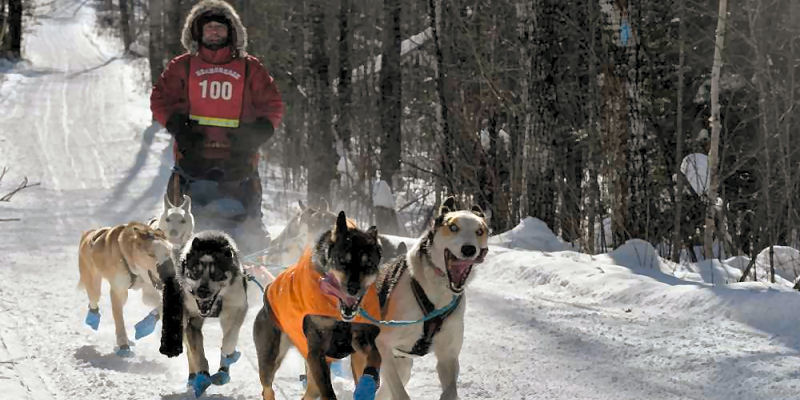
They weren’t sleek racers. These dogs hauled freight, carried supplies, and helped remote communities stay alive. Failure wasn’t in their vocabulary—they didn’t get second chances in that climate. They were sturdy, thick-furred, strong, and durable—think more Akita than the racer-thin dogs you see today.
What really carved their story into legend, though, was what happened in 1958. During a Japanese Antarctic expedition, disaster hit. The team had to get out fast—they left behind 15 Sakhalin huskies, chained up with a bit of food, thinking they’d be back soon. But the weather cut off any hope of rescue.
Everyone thought the dogs were lost. For a year, nothing. Then, when another team finally made it to the camp almost twelve months later, they found two huskies—Taro and Jiro—still alive. Nobody knows exactly how they pulled it off. They broke their chains, hunted, dodged death in the coldest place on the planet. Just sheer willpower and grit. They became instant heroes—symbols of endurance, loyalty, and survival. Taro went home to Hokkaido University, while Jiro died in Antarctica the year after. Their bodies were preserved, their story cemented.
That miracle shot the breed into the spotlight. Movies like *Nankyoku Monogatari* in 1983 and *Eight Below* in 2006 (even if Hollywood swapped in other breeds) kept the tale alive. But the dogs themselves kept slipping away.
After World War II, the Sakhalin Husky population just collapsed. Bloodlines broke. By the early 2000s, maybe two pure dogs were left in Japan. On Sakhalin Island, a few still existed among the native Nivkh people, but their numbers got dangerously low too. Sergey Lyubykh, one of the last breeders, admitted before he died that there simply weren’t enough dogs left for a healthy population.
At that point, it’s more than just a rare breed. It’s a disappearing part of history.
Now? The Sakhalin Husky is mostly legend. There are monuments across Japan—in Wakkanai, at Tokyo Tower, down at Nagoya Port—honoring the dogs and that Antarctic ordeal. They’re a piece of the culture, even though you’ll almost never see one up close.
In a way, they remind us of something that’s mostly vanished: a time when sled dogs weren’t bred just to race, but to survive. The Alaskan Husky might be the future of racing, but the Sakhalin Husky shows us where it all began—and how easily even the toughest dogs can vanish when their world disappears.