Alaska Native musher Jody Potts-Joseph has respectfully declined financial support connected to the 2027 Iditarod rookie entry fees, saying the donation does not align with her Athabascan values or the realities facing Yukon River communities.
The Iditarod Trail Committee recently announced that 2026 Iditarod “Expedition Class” mushers Kjelle Rokke and Thomas Werner would donate 80 percent of 2027 rookie race entry fees. However, Potts-Joseph, who runs Raven Clan Kennels from Eagle Village, said she has written to the Iditarod to formally decline the offer.
“I respect the Iditarod, its history, and as a very well run race, thanks to organizers, volunteers and host villages,” Potts-Joseph said. “I also understand the ongoing financial challenges the race and mushers face.”
But she said her decision was guided by something deeper than money.
“My decisions are informed and guided by the traditional values of the Athabascan people and accepting this donation doesn’t align with my values,” she said.
Potts-Joseph made clear that her intention was not to attack the Iditarod or shame Mr Rokke, but to raise an issue she believes deserves serious discussion.
“My hope is that by bringing this to attention, it may lead to deeper conversation and meaningful action,” she said.
The Iditarod was founded in 1973 by Joe Redington Sr to celebrate and preserve dog mushing, at a time when snowmachines were replacing sled dogs in many Alaska villages. For Potts-Joseph, dog mushing is not simply a sport. It is part of a living culture, one she feels a responsibility to help protect.
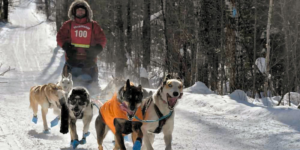
“I run dogs not only because I love it but also I feel a responsibility to help preserve mushing culture,” she said.
She also pointed to the historic role of Athabascan mushers in the 1925 serum run, when lifesaving diphtheria serum was carried from Nenana towards Nome. For many Native communities, dog teams were not a hobby or a luxury. They were woven into daily life, travel, survival, food gathering and family tradition.
That way of life, Potts-Joseph says, has been badly damaged by the collapse of Yukon River salmon runs.
“For mushers like me that live along the Yukon River, we are no longer able to provide for our families or for our teams with the once abundant salmon runs that fed us all for millenia,” she said.
According to Potts-Joseph, Yukon River communities have been barred from fishing salmon for the last eight years, despite salmon being a main food source for thousands of people along the river. She said Native people warned for decades that Chinook and Chum salmon were declining, but were largely ignored.
She believes industrial trawling has played a major role in the crisis, with salmon caught as bycatch while fleets target pollock and cod.
“Industrial fishing continues to trawl for pollock and cod, while salmon and several other fish species are caught as bycatch, then wasted, including the precious Yukon River bound salmon on the way to their spawning grounds,” she said.
For Potts-Joseph, this is not an abstract environmental issue. It is about food security, culture, health, wellbeing and the future of dog mushing itself.
“As a result, not only are Alaska Natives on the Yukon River facing food insecurity, many dog mushers have had to give up their dog teams because it is far too expensive to sustain their mushing way of life with commercial dog food that has to be flown into their villages,” she said.
Potts-Joseph grew up fishing the Yukon River with her family, both for people and for dogs. The fall run of chum salmon, often known as dog salmon, was a traditional and sustainable food source for sled dog teams.
“We no longer have that opportunity,” she said.
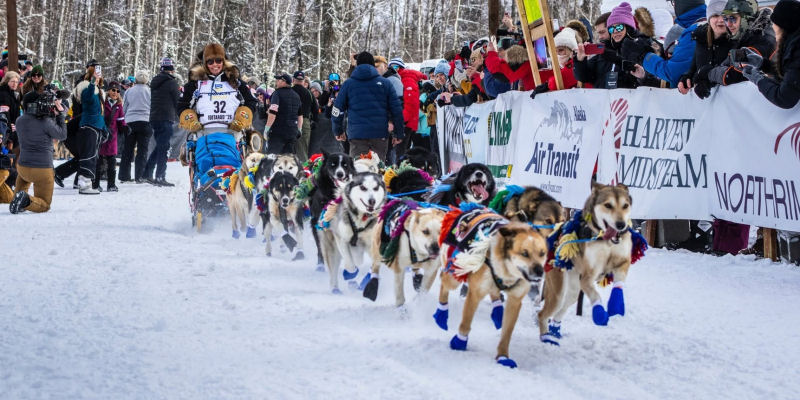
During the 2026 Iditarod, Potts-Joseph said she heard the same painful message in Yukon River villages.
“We don’t have dog teams anymore since the salmon are gone,” villagers told her.
She described old time mushers visiting her dogs at checkpoints, speaking sadly about the teams they had been forced to give up because they could no longer afford to feed them without the salmon the Yukon once provided.
“The trawling industry has real life impacts for us: food insecurity, loss of culture, health impacts, wellness, transfer of traditional knowledge, and the list goes on,” she said.
Her concern about the donation is specifically linked to Mr Rokke’s connection to the trawling industry.
“My issue with accepting Mr Kjelle Rokke donation is because he earned his wealth through trawling in Alaska waters,” Potts-Joseph said. “Trawling is the main contributor in the decline of the Yukon River salmon fishery.”
She said there is a painful irony in a donation intended to preserve mushing coming from wealth she believes was built through an industry that has contributed to the disappearance of dog teams in Yukon River villages.
“I find it ironic that Mr Rokke, and I mean no disrespect to him or Iditarod, ran the Iditarod and is now supporting the race to preserve mushing while the industry he accumulated his wealth from is the main contributing factor dog teams have disappeared along the Yukon River villages,” she said.
Potts-Joseph said she recognises the pressures facing dog mushing and the Iditarod, but hopes those involved can look beyond short term financial help and towards protecting the ecosystems that made the culture possible in the first place.
“My sincere hope is that we might unite to advocate for substantive change and the protection of not just mushing, but the vital ecosystems, our rivers and salmon, that historically sustained this way of life and our enduring culture,” she said.
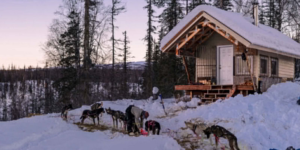
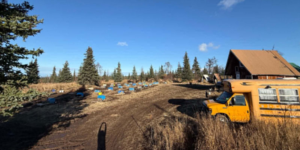
Although Potts-Joseph still maintains a dog team, she said that is only possible because Eagle Village is at the end of the Taylor Highway, allowing her to bring in large amounts of dog food before winter closes in.
“Before the Taylor Highway closes for the winter, I bring in pallets of thousands and thousands of dollars worth of dog food to hopefully last us through the winter,” she said.
She added that while dog salmon remains the best nutrition source and was historically a sustainable way to feed sled dogs, she is now dependent on sponsors and support from her Native community.
Rather than accepting the Iditarod entry fee donation, Potts-Joseph said she would rather rely on those who support her values and understand what is at stake.
“I prefer the help and support of my family, fans and Native community who may not have wealth, but are rich in culture, values and have preserved mushing, support the races and mushers,” she said.
Potts-Joseph also called on the Iditarod and Mr Rokke to consider the historic role of Athabascan mushers in the race’s foundation and history, along with the continuing impact of industrial fishing on Alaska Native villages.
“With the utmost respect, I hope Iditarod will take into account the severe impacts and consequences that Alaska Native peoples, our villages and culture experience, before making decisions regarding expedition mushers,” she said.
Her message is a powerful reminder that preserving dog mushing is about more than keeping races alive. It is also about protecting the rivers, salmon, villages and Native knowledge that sustained sled dogs for generations.
For those who have asked how to support Potts-Joseph’s 2027 Iditarod entry fee, she has said donations can be made by Zelle or PayPal to: moc.liamgobfsctd-947881@hpesojsttopydoj
More information about Jody Potts-Joseph and Raven Clan Kennels can be found at:
“Mahsi’choo and respect from Jody and team Raven Clan,” she said.